
big mirror with led lights
Trådring och gängmått 6g En Översikt Inom mekanik och ingenjörskonst spelar trådringar och gängmått en avgörande roll för att säkerställa att olika komponenter passar väl ihop och fungerar som de ska. Bland gängmåtten är 6g en av de vanligaste standarderna, och trådringarna har en betydande funktion i olika tillämpningar. Vad är en trådring? En trådring är i grunden en mätanordning som används för att kontrollera gängors precision och kvalitet. Den har en specifik profil och dimension som representerar en viss standard. Genom att använda en trådring kan ingenjörer och tekniker snabbt avgöra om en gänga är inom acceptabla toleranser. Trådringar finns i olika storlekar och specifikationer, vilket gör dem mångsidiga i olika industriella tillämpningar. Förstå gängmått 6g Gängmått 6g är en specifik standard för gängor som används globalt. Den klassificeras som en medeltolerans, vilket innebär att den ger en balans mellan den tillåtna toleransen för gängor och hur tätt de passar. Gängor som har en standard av 6g är utformade för att ge en tillräcklig passform för de flesta applikationer, samtidigt som de tillåter smidig montering och demontering. thread ring gauge 6g En stor fördel med att använda 6g-gängor är deras allsidighet. De används i allt från maskiner och fordon till bygg- och anläggningsprojekt. Detta gängmått möjliggör en god belastningstålighet och hållbarhet, vilket är kritiskt för många industriprodukter. Användning av trådringar i kombination med 6g-gängor När man använder trådringar för att mäta 6g-gängor, är det viktigt att förstå hur man korrekt använder dessa mätverktyg. För att säkerställa precision är det nödvändigt att trådringen förs varsamt över den gängade delen. Om trådringen passar perfekt runt gängorna indikerar det att gängorna är inom de specifikationer som krävs. Om det finns motstånd eller om trådringen inte passar alls, kan det vara ett tecken på att gängorna är ur kurs eller skadade. Det är också viktigt att notera att olika material och ytbehandlingar kan påverka gängornas passform och hållbarhet. Därför är det en bra idé att alltid använda trådringar av hög kvalitet och se till att de är i gott skick. Sammanfattning Gängmått 6g och trådringar spelar en kritisk roll i den moderna tillverkningsprocessen. Genom att säkerställa att gängor är inom de nödvändiga toleranserna kan ingenjörer och tekniker hålla hög kvalitet och effektivitet i sina projekt. Deras användning bidrar inte bara till bättre produktkvalitet utan även till ökad säkerhet och pålitlighet i industriella tillämpningar. Genom att förstå och använda dessa verktyg på rätt sätt kan vi uppnå mer hållbara och effektiva lösningar i vår tekniska värld.
about
big mirror with led lights
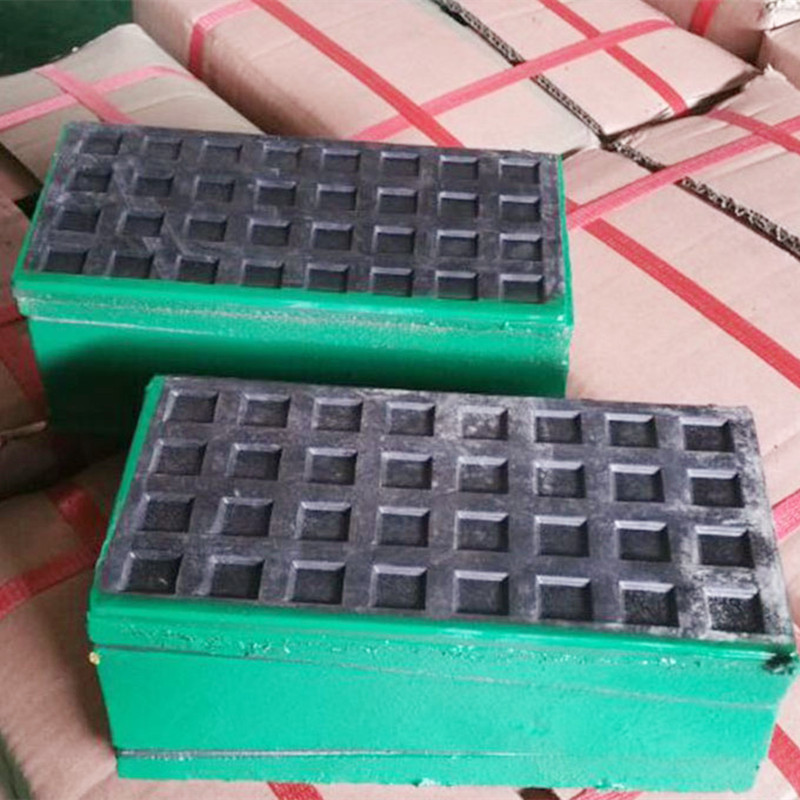
The Importance of Machine Vibration Pads in Industrial Applications In the world of industrial machinery, the importance of minimizing vibration cannot be overstated. Excessive vibration can lead to equipment wear, reduced efficiency, and increased maintenance costs. One effective solution to mitigate these issues is the use of machine vibration pads. This article explores the significance of vibration pads, their types, benefits, and applications across various industries. Understanding Machine Vibration Before delving into the specifics of vibration pads, it's crucial to understand the concept of machine vibration itself. Vibration occurs when a machine deviates from its equilibrium position, which can be caused by imbalances in rotating parts, uneven surfaces, or external forces. While some vibration is normal in machinery, excessive or uncontrolled vibration can lead to catastrophic failures. What Are Machine Vibration Pads? Machine vibration pads, also known as vibration isolation pads or vibration dampening pads, are materials designed to absorb and reduce vibrations produced by machinery. They function by providing a cushion between the machine and the surface it rests on, effectively isolating the vibrations generated during operation. These pads are typically made from materials such as rubber, neoprene, or polyurethane, which possess excellent elasticity and damping properties. Types of Vibration Pads There are several types of machine vibration pads, each suited to different industrial applications 1. Rubber Vibration Pads These are the most common type used in various applications. They are effective at reducing vibrations and are relatively inexpensive. Rubber pads are often used in commercial buildings, HVAC systems, and machinery. 2. Foam Vibration Pads Made from dense foam, these pads are excellent for sound dampening as well as vibration isolation. They are lightweight and can be useful in areas where weight is a concern. 3. Gel Pads These pads provide superior vibration isolation due to their unique gel composition. They are typically used in sensitive equipment installations, such as medical devices and precision instruments. 4. Spring Isolators This type uses a combination of springs and pads to absorb vibrations. They are especially effective in heavy machinery applications where there are constant vibrations. Benefits of Using Vibration Pads Implementing machine vibration pads offers numerous advantages machine vibration pads 1. Enhanced Equipment Life By minimizing wear and tear, these pads help extend the life of machinery and reduce the frequency of repairs. 2. Improved Operational Efficiency Reducing vibrations allows machines to run more smoothly, enhancing their performance and efficiency. 3. Noise Reduction Vibration pads also help to dampen noise generated by machinery, creating a safer and more pleasant working environment. 4. Increased Safety Vibrations can lead to the destabilization of machinery and pose risks to operators. Vibration pads help maintain stability and safety in the workplace. 5. Cost Savings Though there is an initial investment in vibration pads, the long-term savings through reduced maintenance and enhanced equipment longevity can be significant. Applications Across Industries Machine vibration pads find applications in numerous sectors, including - Manufacturing Used on assembly lines and machinery to reduce vibrations caused by moving parts. - Construction Helps to isolate vibrations from heavy machinery and prevent structural damage to surrounding buildings. - HVAC Systems Vibration pads are commonly used under HVAC units to minimize noise and vibrations transmitted through building structures. - Transportation They are employed in vehicles and trains to enhance passenger comfort by reducing vibration transfer. - Electronics Sensitive electronics and precision instruments rely on vibration pads to maintain accuracy and functionality. Conclusion In conclusion, machine vibration pads play a critical role in modern industrial applications by isolating vibrations and enhancing the longevity and efficiency of machinery. With a variety of types available to suit different industrial needs, the benefits of using vibration pads extend beyond just equipment maintenance; they also contribute to a safer, quieter, and more efficient work environment. As industries continue to evolve, the importance of effective vibration control through pads will undoubtedly remain a crucial consideration for engineers and operators alike.
-

High quality industrial productsagement

High quality industrial products
View Details -

Meet the diverse needs of customers

Meet the diverse needs of customers
View Details -

Strict quality control

Strict quality control
View Details -

Top raw materials

Top raw materials
View Details -

Trusted supplier

Trusted supplier
View Details
Our application

news and information
Y Type Strainer Applications in Industrial Water Filtration
Industrial water filtration is a critical process for maintaining operational efficiency, equipment

water turn off valve
Understanding Water Turn Off Valves Their Importance and Usage When it comes to plumbing systems, on
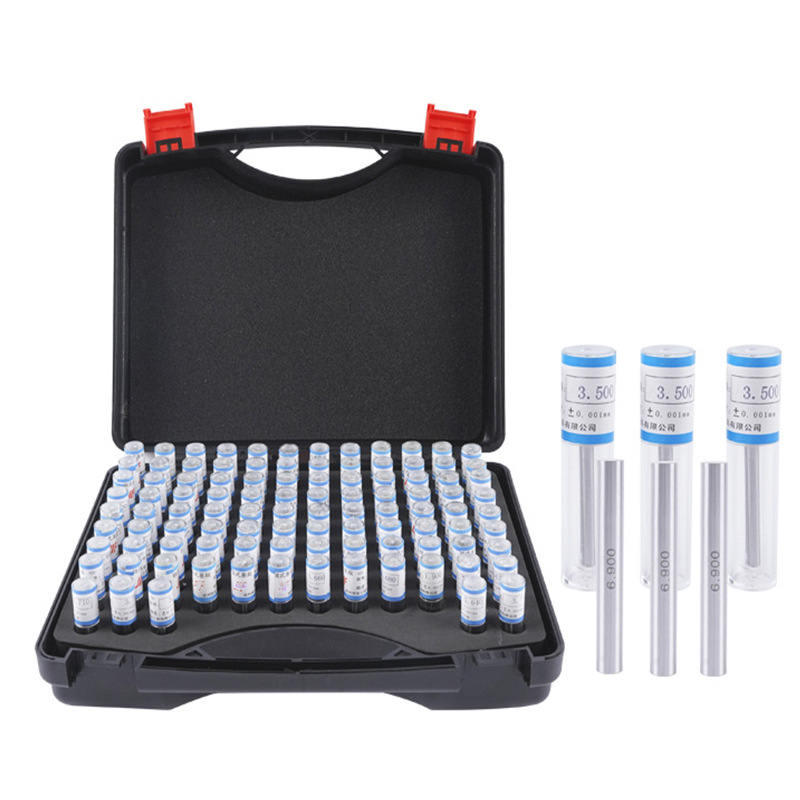
Versatile Granite Angle Plate for Precision Machining and Workholding Solutions
Understanding Granite Angle Plates A Key Tool for Precision Measurement In the realm of manufacturin
 English